Skip to content
Safety

We evaluate the tolerance and compatibility of cosmetic products through tests such as Patch Test, Open Test, HRIPT and Use Test.

Specialist supervision

Cosmetic safety studies

At ANMAR Clinical Services we conduct safety studies on healthy volunteers to evaluate the compatibility, tolerance and safety profile of cosmetic products. These studies allow us to assess the response of the skin or mucous membranes to a product’s application, as well as to verify possible immediate, delayed, repeated or long-term reactions. The studies are carried out under the specialized supervision required in each case: dermatological, ophthalmological, pediatric, dental or gynecological, depending on the type of product, its area of application and the objective of the trial.

The healthy volunteers who take part in these tests are selected according to different criteria, such as skin type (normal, sensitive or extremely sensitive), sex (women or men) or age (young skin, mature skin or children).

Cosmetic product evaluation

Types of studies

The most common safety studies include the single Patch Test, the Open Test, the HRPT or HRIPT sensitization and allergenic potential study, and long-term skin compatibility trials, also known as Use Tests under normal conditions.

Patch test

The Patch Test is a skin compatibility study that allows confirmation of data previously obtained through in vitro testing.

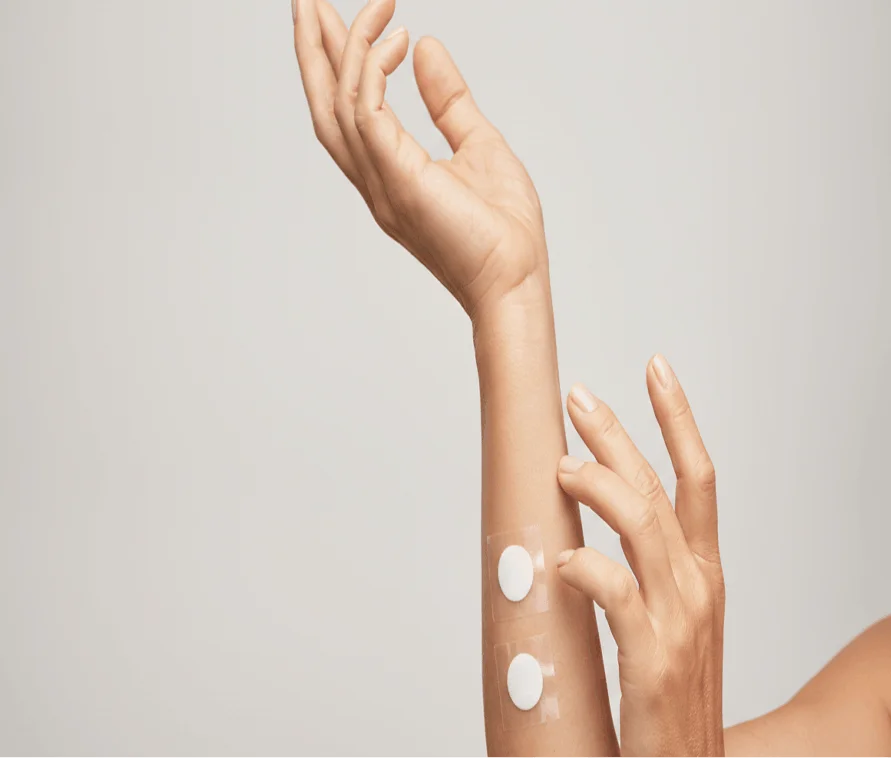
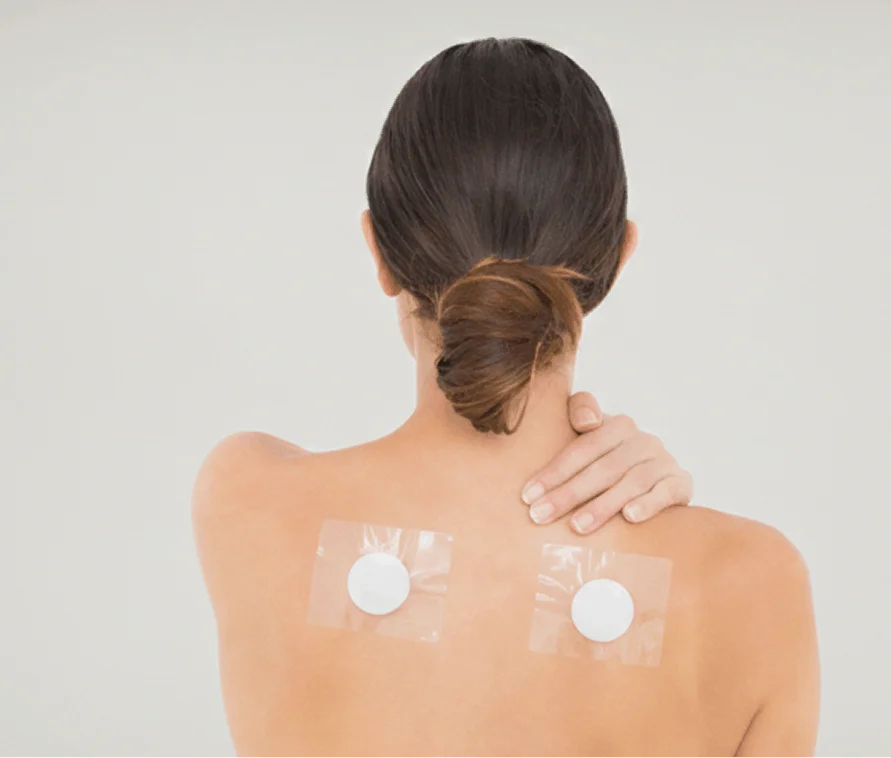
It consists of applying the cosmetic product to the volunteer’s back under occlusion, that is, using a patch. In addition, a second patch is applied to rule out a reaction to the patch rather than to the product being evaluated.

The patch remains in contact with the skin for 48 hours. After this time, it is removed under a dermatologist’s supervision and, 30 minutes later, the skin’s appearance is assessed. During this assessment, the possible appearance of signs such as erythema, edema, papules, vesicles, blisters, pustules, reflectivity, dryness, flaking or detergent effect is observed. This type of study enables assessment of the product’s skin compatibility and determination of whether its application causes any observable reaction in the evaluated area.

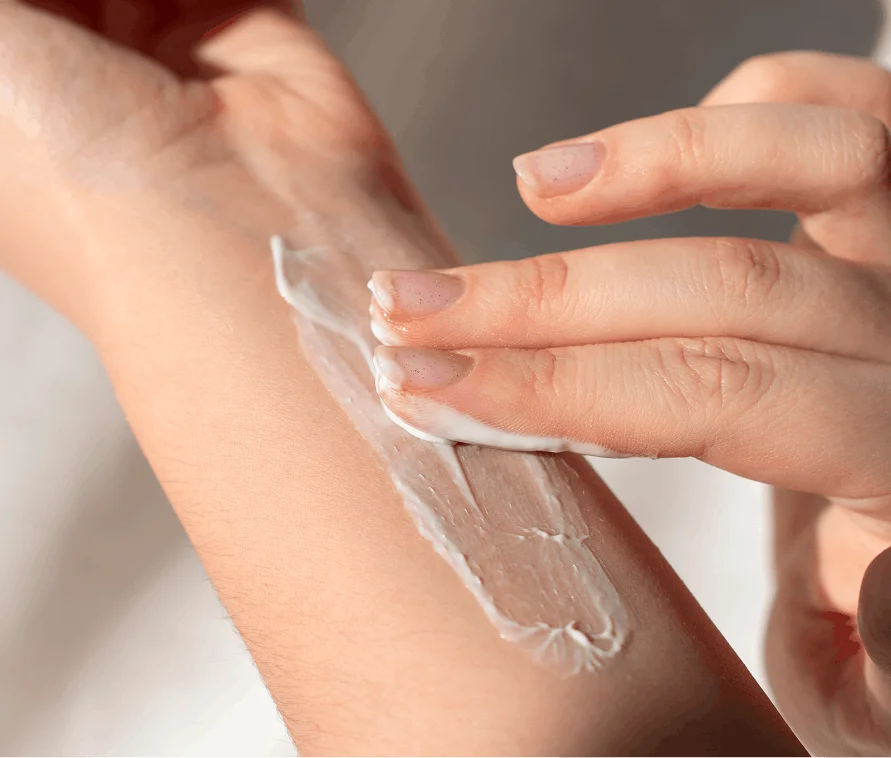
The Open Test is performed when, due to the specific nature of the product, an occlusive test such as the Patch Test is not possible.

The test consists of a single or repeated application of the product under study. Depending on the type of product, the application may be performed on the inner forearm, in the case of dermatological compatibility, or around the ocular mucous membrane, on the oral mucosa or on the external intimate area. After application, the response of the skin or mucous membranes is observed at 30 minutes, at 1 hour, and also at 24 and 48 hours.

The Open Test enables the identification of visible irritation reactions, known as clinical signs. In addition, a macroscopic examination is carried out according to an established numerical scale, discomfort sensations described by the volunteers are recorded and, when justified, any manifestations in a control area are also assessed.

The sensitization and allergenic potential study, known as HRPT or HRIPT, is conducted by repeated applications under occlusion. This type of study enables assessment of the cosmetic product’s possible sensitizing or allergenic response in healthy volunteers, following a specific protocol and under specialized supervision.

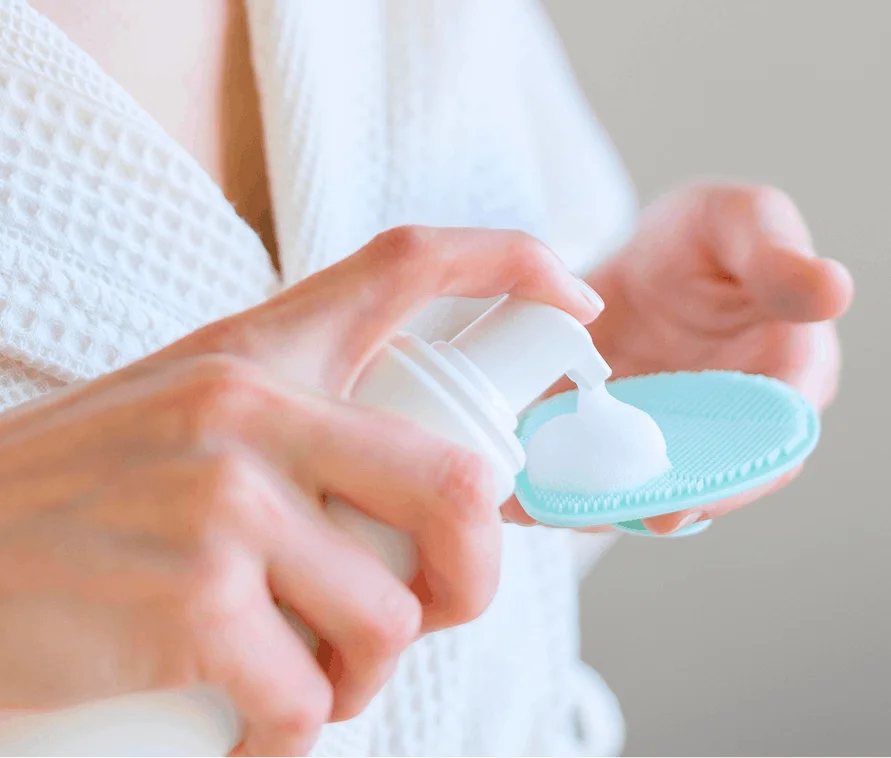
The Use Test, also known as the Acceptability Test, enables assessment of the product’s performance under normal conditions of use. It may be carried out under dermatological supervision, with subjects individually examined by a dermatology investigator, or under pediatric, gynecological, ophthalmological or dental supervision, depending on the type of product and its area of application.

This study enables verification of the absence of discomfort reactions and cumulative irritations, both functional and physical, associated with the product’s application over a period of 2 to 4 weeks. Participants must meet specific inclusion criteria and use the product under normal conditions.

The Use Test is carried out after the Patch Test, when the results are negative (non-irritating product) or when there is a weak positive reaction (slightly irritating product). In these cases, the Use Test helps to confirm the clinical significance of the previous Patch Test.